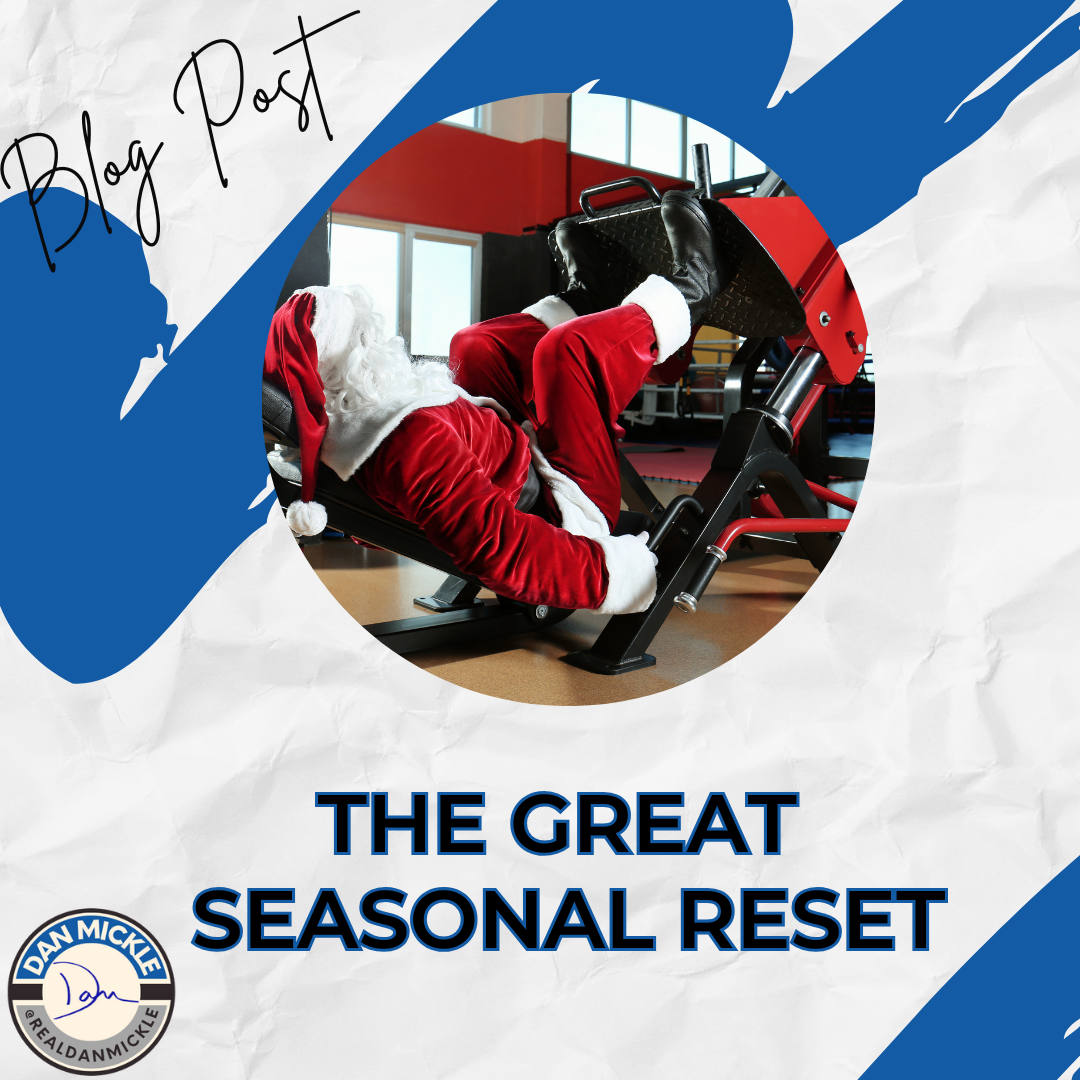
The Great Seasonal Reset: Why Holiday Breaks Hit ADHD Families Differently
There is a moment every January when the sports world wakes up again. The tree is still shedding needles, the lights are still halfway on the house because someone promised to take them down “this weekend,” and yet, somehow, it is already time for high school teams to wrap up and club teams to ramp up. It feels like switching gears in an old stick shift car. You know the motion, you know it should work, but sometimes it grinds and everyone in the passenger seat winces.
For families managing ADHD on top of everything else, that gear shift is more like hopping from a moving walkway onto a treadmill that is already set at nine. The body wants structure again. The brain wants structure again. The environment might even be begging for structure again. But getting there takes time. And patience. And the willingness to laugh before you cry.
Holiday breaks are supposed to be restful. They should be a chance to recharge and roll into the next phase of the year with a clear mind. Except that real life does not always play along. Schedules slide. Routines wobble. The dietary balance becomes a roulette of cookies and casseroles. Sleep patterns look like modern art. Everyone involved, athlete or parent, loses just enough rhythm that the restart hits like a surprise pop quiz.
And that is where the conflict begins.
A Tale of Two Realities
You can almost script it. Parents see the calendar turn. They feel that little jolt of urgency. Tryouts are coming. Or school is restarting. Or practice intensity is about to pick up again. There is a sense of “time to tighten things up.” Motivation rises, even if motivation was missing during the break. The brain wakes up and says, “Let’s get back to business.”
Meanwhile, the ADHD athlete is still stuck in the fog of the transition. Their brain does not flip back to routine mode just because the calendar says it is time. Executive function is still warming up. Focus is still a little tangled. Energy is swirling but not always pointed in the right direction. It is like everyone boarded the same train, but half the passengers are still trying to locate their seat.
Parents see the hesitations and worry. Athletes feel the pressure and retreat. Neither side is wrong. They are just living in different time zones.
Have you ever tried to explain urgency to someone whose brain is still buffering? It is like asking Siri something important while she insists she is offline.
The Myth of the Instant Restart
There is a popular belief that if you took a break, you should return refreshed and ready to grind. “You got rest, so now it should be easy to get back on track.”
If only.
The ADHD brain does not restart like a laptop. It needs a ramp. Sometimes a short one, sometimes a runway. When routines are lost, they do not simply slide back into place because we need them to. Athletes often appear lazy or unmotivated during transitions, but what they are really fighting is a lag in the shift from unstructured to structured living.
These shifts happen at least twice a year in sports. High school to club. Club back to high school. Add in holiday breaks, exam seasons, long weekends, and random disruptions, and the ADHD brain spends a large portion of the year trying to recalibrate its internal compass.
Parents feel the clock ticking. Athletes feel the clock shouting. Nothing creates tension faster than two people trying to move forward at different speeds.
So, what if we stopped pretending that everyone should restart at the same pace?
A Look Behind the Curtain of Conflict
The friction between athletes and parents during these transitions is rarely about laziness or attitude. It is usually about mismatched timing.
Athletes are not dragging their feet because they do not care. They are dragging their feet because their brain is still trying to reboot. The lag feels physical. Foggy. Heavier than it looks.
Parents are not pushing because they want to nag. They are pushing because they see what is coming and want to prevent a meltdown later. Their urgency comes from care, not control.
But the brain that is lagging does not hear care. It hears pressure.
And the heart that is worried does not see lag. It sees avoidance.
Have you noticed that conversations get louder during these moments even if the topic is something simple, like locating a water bottle?
This is the ADHD transition effect. Small things feel big. Big things feel urgent. And everyone feels misunderstood.
The Slow Climb Back to Structure
The goal is not to snap back into routine. The goal is to ramp back into routine. Slowly. Intentionally. With compassion for the brain that is still catching up.
Start with the easy stuff. Consistent wake times. Packing bags the night before. Setting alarms for things that never used to need alarms. Breaking tasks into smaller pieces. Celebrating progress, even when it looks microscopic.
Parents sometimes feel guilty for simplifying tasks that athletes “should” be able to manage on their own. But ADHD is not a measure of effort. It is a measure of wiring. And the wiring needs reliable cues.
One of the quietest secrets in mental performance is that structure builds confidence long before performance does. That is why simple tools like daily prompts, short routines, and predictable rhythms make such a big difference. It is also why tools like Athlete:365, which gives athletes a place to jot down thoughts and goals each day, can be so grounding. It becomes a lighthouse during chaotic shifts without feeling like homework.
The restart does not happen in a day. It happens in layers. And that is perfectly fine.
Parents, Athletes, and the Space Between Them
When you peel back the layers of these transitions, you can see the conflict for what it really is.
It is not athlete versus parent.
It is not motivation versus lack of motivation.
It is not discipline versus distraction.
It is two people who care deeply, standing at different points of the same restart line.
Parents worry about consistency, habits, and readiness. Athletes worry about overwhelm, expectations, and the mental load of jumping back into the deep end. When both sides think the other does not understand, frustration brews. But when both sides realize that timing is the real issue, conversations soften.
Part of helping ADHD athletes thrive is recognizing that the restart is a shared experience. The athlete needs room to ramp up. The parent needs reassurance that the ramp will actually happen. Both sides need reminders that these transitions are not moral failures.
The holiday break did not break anyone. It just mixed up the rhythm.
Moving Forward Together
There is something comforting about acknowledging that the first few weeks after a break do not need to be flawless. They just need to move in the right direction. Progress comes from the gentle push, not the hard shove. It comes from the understanding nod, not the sigh. It comes from the shared laugh when someone realizes their practice shoes are still buried under wrapping paper.
And there will be days when everything clicks again, and nobody can even remember what the chaos felt like. There will also be days when the system breaks down and everyone is back at the starting line. That is not failure. That is just how transitions work.
Athletes and parents can find common ground in the simple act of naming what is hard. Once you name it, you can work with it. You can build structure around it. You can even smile at it.
Because the most powerful part of the seasonal reset is not the return to routine. It is the reminder that you do not have to return alone.
Key Takeaways
Small ramps create stronger restarts.
Parents and athletes live the transition at different speeds.
Holiday breaks amplify ADHD challenges, but they do not define anyone.
Conflict usually comes from mismatched timing, not mismatched values.
Structure builds confidence long before performance does.
Until next time, keep taking the small wins where you find them. And if your holiday lights are still up, consider it ambiance, not procrastination.