
Feedback Has a Budget
I have a coaching confession. There have been plenty of moments when I gave an athlete five pieces of feedback, watched them perform the next rep, and then wondered why …
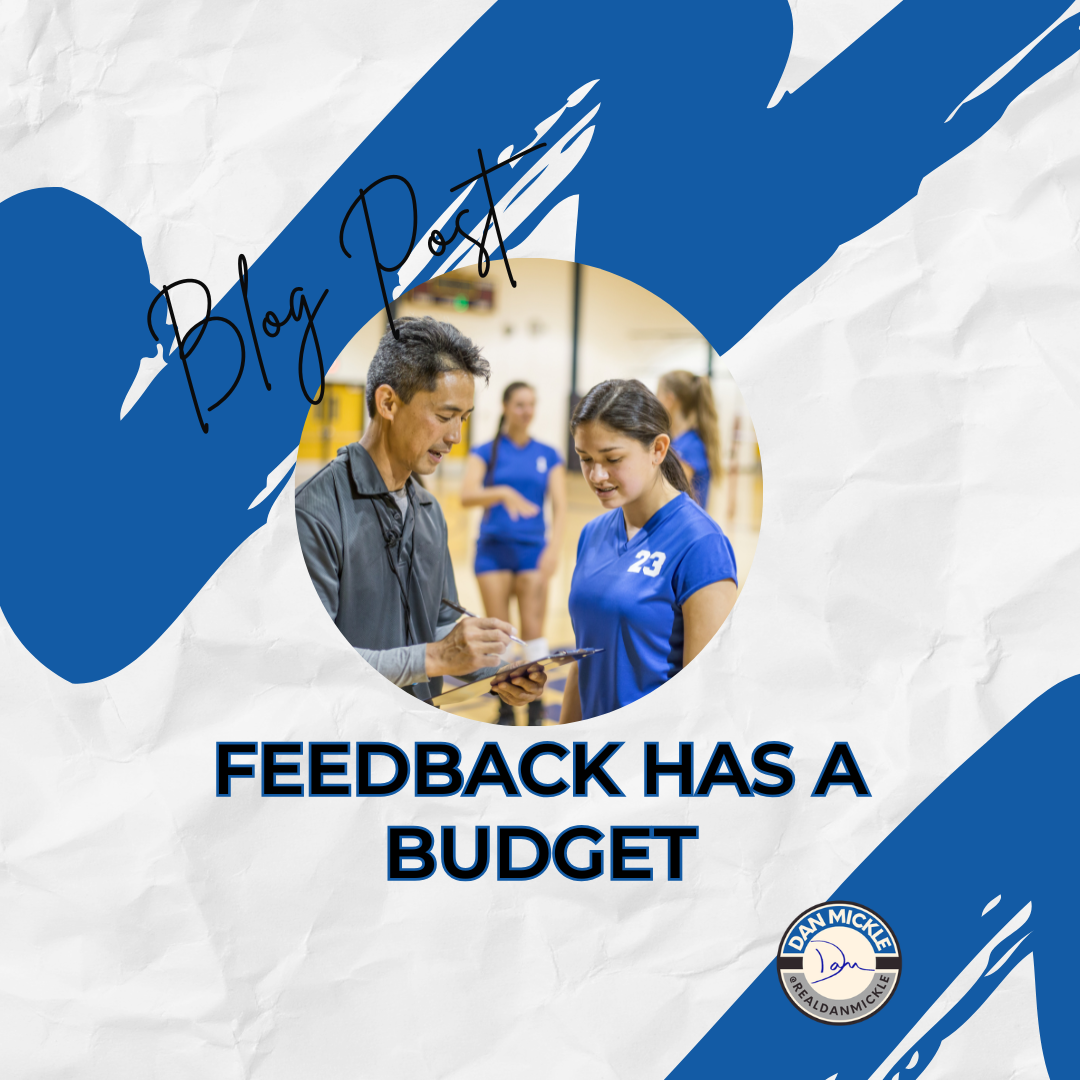
I have a coaching confession. There have been plenty of moments when I gave an athlete five pieces of feedback, watched them perform the next rep, and then wondered why …
Coaches love routines right up until the routine stops working. Then we become amateur meteorologists, air traffic controllers, and hostage negotiators all at once. A bus is late. A gym …
Coaches love consistency. We want consistent effort, consistent communication, consistent standards, consistent routines, and, if the universe is feeling generous, consistent officiating. Consistency is usually a good thing. The problem …

I love a good practice plan. There is something deeply satisfying about looking at a sheet of paper with neat time blocks, drill names, goals, and arrows. It gives the …
There is a tiny moment in almost every practice that coaches tend to fill immediately. We blow the whistle, stop the drill, and start talking. Sometimes we are halfway through …
I spend a lot of time thinking about how we support neurodivergent athletes. Between coaching, mental performance, and my doctoral research, neurodiversity has become one of those subjects that follows …
When you’re a young athlete, navigating your way through tough conversations with your coach can feel like you’re entering a battlefield, armed with only your words. The pressure to perform, …

As coaches, we pride ourselves on being able to read our athletes. We see when they’re tired, when they’re frustrated, when they need encouragement, and when they need a good …
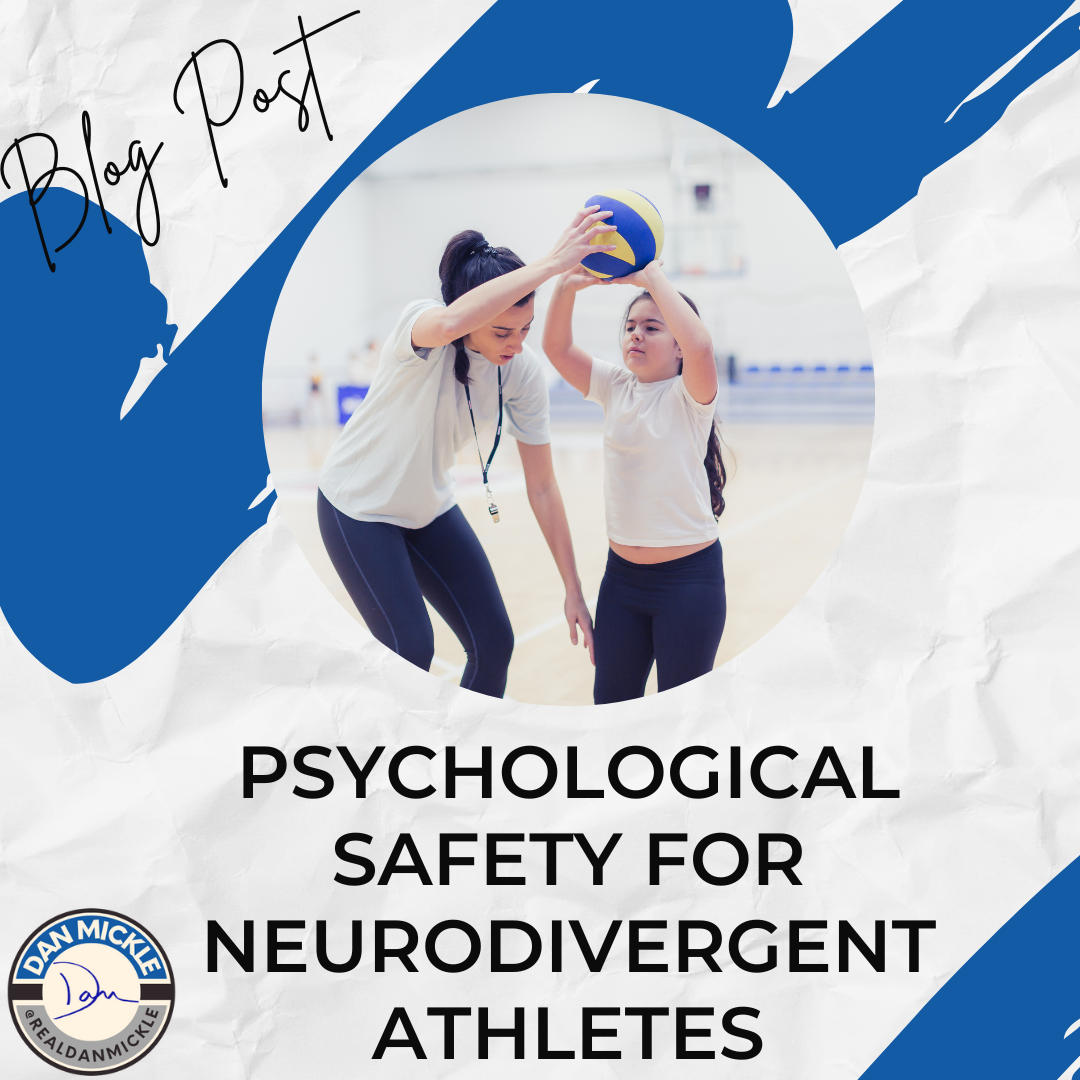
Psychological safety gets tossed around a lot in coaching circles these days, but let’s be honest—most of the time, it’s treated like an afterthought. Sure, every coach wants their athletes …
Coaching is communication. But what happens when words aren’t enough? For many neurodivergent athletes—whether they’re autistic, have ADHD, dyslexia, or other cognitive processing differences—traditional verbal instruction can feel like a …