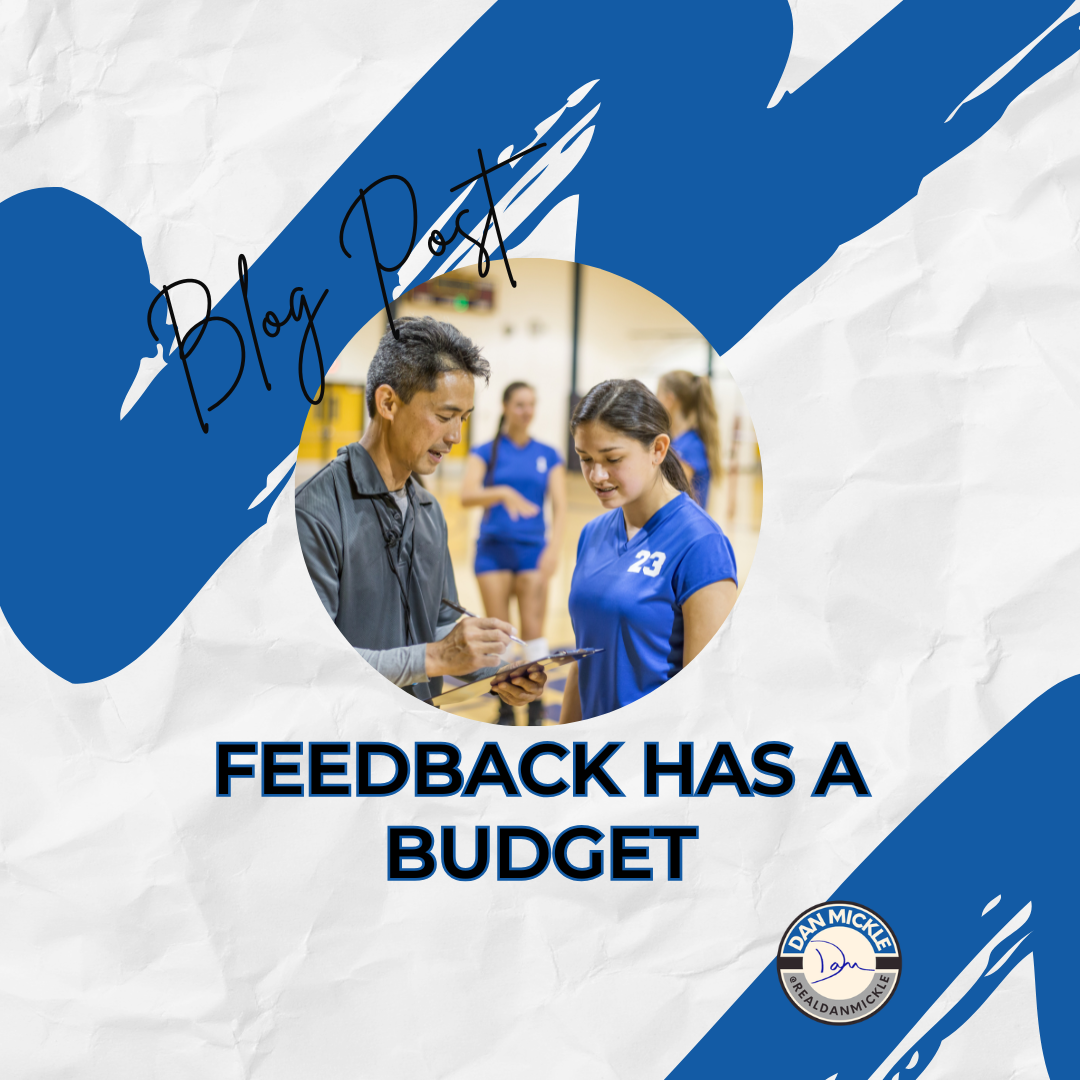
I have a coaching confession. There have been plenty of moments when I gave an athlete five pieces of feedback, watched them perform the next rep, and then wondered why only one of those five things changed.
My younger coaching brain had a simple explanation: they were not listening closely enough. My current coaching brain has a less flattering explanation: I gave them a grocery list during a fire drill. Feedback has a budget.
Athletes can only process, organize, and apply so much information at once. That budget changes with experience, fatigue, stress, noise, time pressure, and the individual athlete. For some neurodivergent athletes, especially those who experience working-memory or attentional differences, that budget may get spent faster in certain environments. The answer is not to stop coaching. The answer is to spend our words better.
More Feedback Is Not Automatically Better Coaching
Coaches tend to value effort, so we sometimes apply that same logic to communication. If one cue is useful, surely four cues are more useful. If an athlete made three errors in a rep, surely we should address all three while the evidence is fresh.
That is how feedback becomes a receipt. “Feet earlier, platform lower, shoulders forward, stop drifting, and call the seam sooner.” Every point may be correct. The athlete now has five things competing for attention before the next ball is even served.
My earlier post on using more than words in coaching communication came from the same problem. Coaches often assume that because the message was delivered, the message was available. Those are not the same thing.
USA Volleyball has written about this from the motor-learning side as well. In A Major Change in My Feedback, the emphasis is on giving athletes room to solve problems, using feedback more selectively, and considering where attention is directed. The larger point matters across sports: constant coach input can interfere with the athlete’s own learning process.
Pick the Rep You Are Actually Coaching
One of the easiest ways to control feedback overload is to decide what the rep is for before the rep starts. If the goal is reading the block, then my feedback should probably center on the read.
If the goal is serving a zone under pressure, I should resist turning the miss into a complete serving-mechanics seminar. This sounds obvious until practice starts. Coaches see everything. That is part of the job.
The trap is believing we need to say everything we see. We do not. I like asking myself one question: What single correction gives this athlete the best chance to improve the next rep? Not the entire skill.
Not the season. The next rep. That question forces prioritization. It also makes feedback easier to use.
An athlete can carry “finish to Zone 1” into the next serve. They may struggle to carry “toss lower, shoulders square, contact higher, keep your hand firm, and finish to Zone 1.”
The Athlete May Need a Different Delivery Channel
Sometimes the problem is not the amount of information. It is the format. One athlete wants a demonstration. Another wants a cue word.
Another wants to see video. Another needs ten seconds to try the movement before the explanation makes sense. Some athletes process written information more effectively than fast verbal instruction. Others hate written notes and want the correction immediately.
There is no medal for making every athlete learn through the coach’s favorite communication style. This is especially relevant with neurodivergent athletes because differences in processing can make one channel much more usable than another.
Still, the diagnosis does not tell you which channel to use. Ask the athlete. Watch what happens. Adjust.
If a player keeps losing a verbal cue, write the cue on the whiteboard. If they understand the concept when they see it, demonstrate. If the explanation seems to disappear during a noisy drill, pull them aside for ten seconds where the environment is quieter. You are not changing the standard. You are changing the delivery system.
Feedback Timing Matters Too
There is also a difference between feedback that is technically correct and feedback that arrives at the wrong time. An athlete misses a critical play. Their arousal jumps. Teammates are talking.
The next point is starting. The athlete is trying to reset. That may be a terrible moment for a detailed explanation, even if the explanation is brilliant. Sometimes the best coaching decision is to give a short cue now and save the deeper conversation for later.
“See the hitter earlier.” Then, after the rotation or between sets, unpack what that means. This is one reason I keep returning to the difference between teaching and telling. Telling is often about getting the coach’s thought out quickly. Teaching requires us to care whether the athlete can use it. Those are different goals.
Ask Before Adding
Another useful habit is to ask the athlete what they noticed before piling on your own interpretation. “What did you see there?” “What felt different?” “What are you trying on the next one?” That does two things.
First, it gives you information about whether the athlete already understands the problem. Second, it prevents you from explaining something they are already solving. Coaches can become addicted to being the source of the answer.
It is a wonderful ego arrangement. Unfortunately, competition rarely pauses so the athlete can ask us what to do. If the athlete can identify the issue and choose a useful response, the coach may not need to add much at all.
If the athlete is off track, then we can guide. Feedback becomes a conversation instead of a monologue.
Create a Feedback Budget for Practice
Here is a practical experiment. Pick one athlete during your next practice and track how many separate corrections you give them in a 15-minute block. Not how many times you speak. Count how many distinct ideas you ask them to change.
You may be surprised. Then cut the number in half. Prioritize the most important cue. Let the athlete get several repetitions with it.
Ask what they notice. Add another cue only when the first one is becoming usable. For a neurodivergent athlete who seems overwhelmed by feedback, you can make the budget explicit. “I am only giving you one thing for the next three reps.” That sentence can reduce the pressure to fix everything immediately. It also gives the athlete permission to ignore the rest for a moment.
The Goal Is Independence
Ultimately, feedback should help athletes need us less. That is a strange thing to say in a profession where our identity is tied to helping. But if the athlete can only perform when the coach is narrating every action, we may have created dependence instead of learning.
The best feedback helps an athlete notice more, solve more, and adjust more on their own. It gives them a better internal map. Sometimes that means a great explanation. Sometimes it means a question.
Sometimes it means a demonstration. Sometimes it means shutting up for a few reps and letting the athlete work. That last one remains emotionally difficult for coaches. Silence can make us feel unemployed.
This week, treat your feedback like a limited resource. Decide what matters most. Choose the right time. Pick the right channel.
Ask before adding. Then see whether the athlete starts doing more of the thinking. Because the goal is not to prove how much the coach knows. The goal is to make the athlete more capable when the coach cannot help.
Key takeaways: Feedback has cognitive cost. Prioritize one useful change at a time, match the delivery method to the athlete, and choose timing carefully. Ask athletes what they noticed before adding more information. Great feedback should build independence, not dependence. Until next time, spend your coaching words like they are coming out of your own wallet.