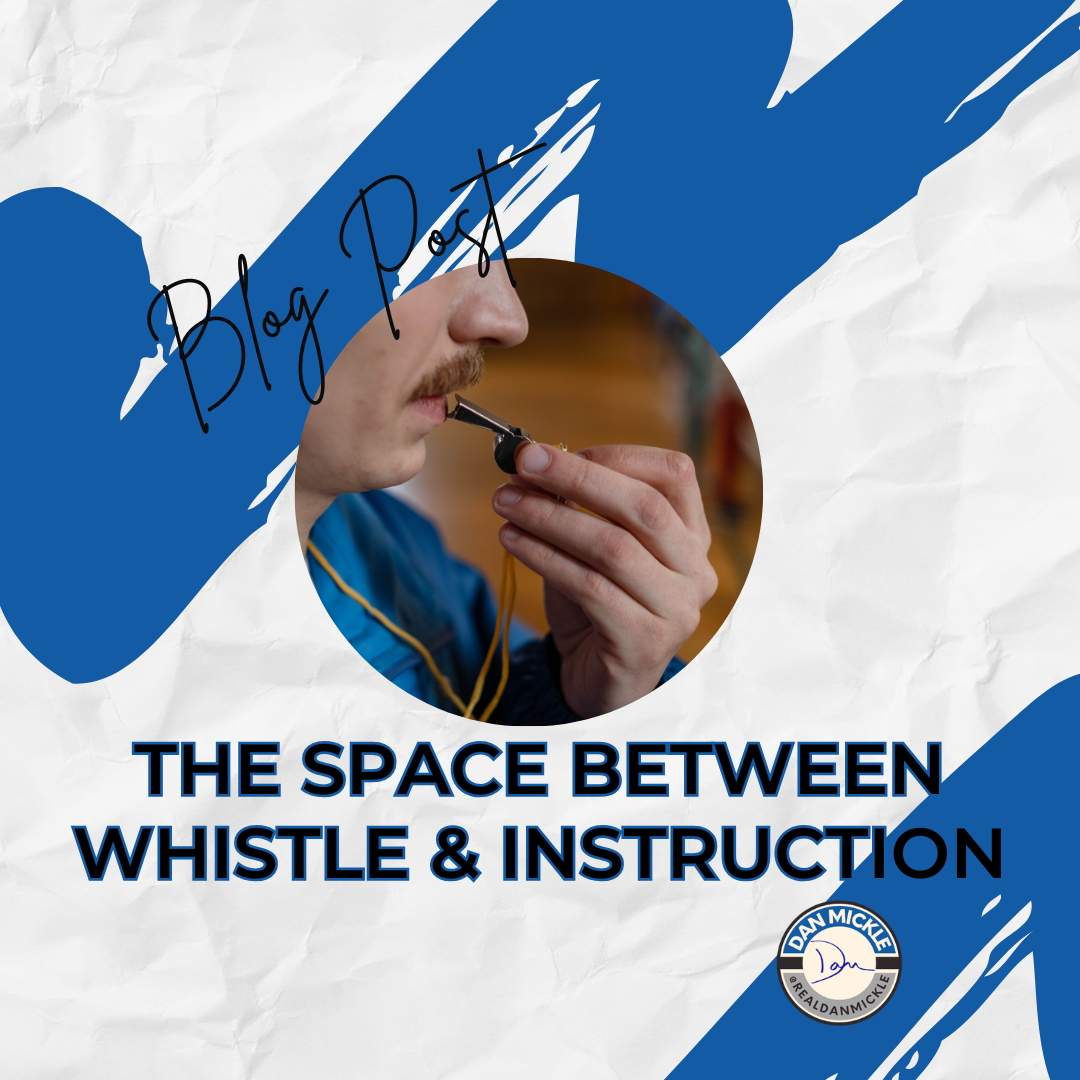
There is a tiny moment in almost every practice that coaches tend to fill immediately. We blow the whistle, stop the drill, and start talking. Sometimes we are halfway through the first sentence before the last ball has stopped rolling.
I understand why. Practice time feels expensive. We have 90 minutes, six things on the plan, three things we forgot to put on the plan, and at least one athlete who will somehow need a shoelace repaired at the exact moment we start serving.
Silence feels like wasted time. But I have started wondering if some of the most useful coaching happens in the few seconds when we are not talking. For neurodivergent athletes, especially athletes who experience differences in attention regulation, working memory, sensory processing, or processing speed, the gap between an event and the next instruction can matter.
That does not mean every neurodivergent athlete needs extra time. It means some athletes may perform better when the coach gives the brain a chance to finish one job before handing it another.
The Coaching Reflex to Fill Space
Watch a typical correction. An athlete makes a mistake. The coach stops play and says something like, “Your feet were late, you opened too soon, your platform drifted, and next time I need you to hold your angle longer.” That may all be technically correct.
It may also be four different pieces of information arriving while the athlete is still processing what just happened. Then comes the famous coaching question: “Got it?” The athlete nods. We move on. Two reps later, the same mistake happens.
Now the coach thinks the athlete was not listening. The athlete thinks they are failing. Everyone gets a little more frustrated, and somehow the solution becomes a louder version of the same explanation. Volume remains one of coaching’s most persistent fake technologies.
The issue may not be effort or respect. It may simply be timing. The athlete heard the words, but hearing words and organizing them into a usable action are not the same task.
Processing Time Is Not Lowering the Standard
This distinction matters because coaches sometimes hear “give an athlete more processing time” and translate it into “make practice easier.” Those are not the same thing. If I pause for three seconds before giving feedback, the skill standard has not changed.
If I give one correction, let the athlete try it, then add the next correction, the standard has not changed. If I demonstrate before I explain, the standard has not changed. I am changing access to the information, not the performance requirement.
This fits with the direction my own doctoral work has taken. The strongest position is not that there is one special set of strategies that works for every neurodivergent athlete. There is not. The more defensible approach is to individualize the coaching process, choose an adaptation based on the athlete and context, then watch whether it actually helps.
That is the same reason I keep coming back to rethinking the one-size-fits-all practice plan. It sounds less exciting than a “five hacks for ADHD athletes” post, but it is also more useful. The CDC’s current ADHD guidance makes a similar practical point in a different setting.
It recommends clear, brief directions, breaking complicated tasks into simpler steps, and adjusting supports based on the individual. Sport is not a classroom, but coaches are still teaching human beings. Sometimes the teaching principles travel pretty well.
Try the Three-Second Rule
Here is a simple experiment for your next practice. After stopping a drill, wait three seconds before speaking. Three seconds will feel approximately seven years long. Do it anyway.
Let the athletes stop moving. Let them turn toward you. Let the environment settle. Then give the correction.
After the correction, do not immediately ask, “Do you understand?” Instead, ask the athlete to show you what they are going to change. You can say, “Show me the footwork you want on the next rep,” or, “What is the one thing you are changing here?” Now you are checking usable understanding instead of social compliance.
This is especially helpful with athletes who have learned that the safest answer to an adult is a quick nod. A nod may mean “yes.” It may also mean “I heard you,” “I want this conversation to end,” or “I have absolutely no idea what you just said, but everyone else is nodding.” Coaches are not always great at distinguishing those.
Once the athlete responds, give them the rep. Resist the urge to add three more thoughts on the way back to the drill.
Notice Who Improves When You Talk Less
The interesting part of this experiment is not whether silence works. Silence is not magic. The interesting part is which athletes become more responsive when the rhythm of instruction changes. Maybe one athlete needs the pause before feedback.
Another may want the correction immediately. One athlete may benefit from seeing the movement. Another may want a phrase they can repeat. One athlete may need you to separate technical information from tactical information because hearing both at once turns the whole thing into soup.
This is where individualized coaching becomes practical rather than philosophical. We do not need a diagnosis before we improve our teaching. We do not need to decide whether an athlete’s processing difference comes from ADHD, autism, anxiety, fatigue, stress, or the fact that it is the third week of preseason and everyone’s brain is mashed potatoes.
We can simply observe what helps the athlete act on information. That is also why I keep coming back to the idea that inclusive coaching usually improves coaching for everyone. A neurotypical athlete can benefit from concise feedback.
A tired athlete can benefit from processing time. A nervous athlete can benefit from fewer instructions. A veteran athlete may perform better when the coach stops trying to solve every rep for them.
The Space Is Part of the Lesson
Coaches spend enormous amounts of time thinking about what to say. We write practice plans, choose cue words, design drills, watch film, and occasionally stare at a whiteboard as if the marker will reveal the meaning of life.
Maybe we should also think about when not to say anything. The space between the whistle and the instruction can give an athlete a chance to orient, process, and reconnect to the next task. It can also give the coach a chance to decide whether the correction they are about to deliver is actually necessary.
That second part may be the more frightening discovery. This week, try leaving a little more room in your coaching. Not because silence is automatically better, and not because neurodivergent athletes all need the same thing.
Try it because communication is not measured by how many words leave the coach’s mouth. It is measured by whether the athlete can use what arrives. Sometimes the best coaching cue is three seconds of nothing.
Key takeaways: Give athletes time to transition from action to instruction. Check understanding through action rather than a yes-or-no question. Keep the performance standard high while adjusting how information reaches the athlete. Most importantly, notice which communication rhythm helps each athlete learn.
Until next time, coach the athlete in front of you, not the version you expected to show up.